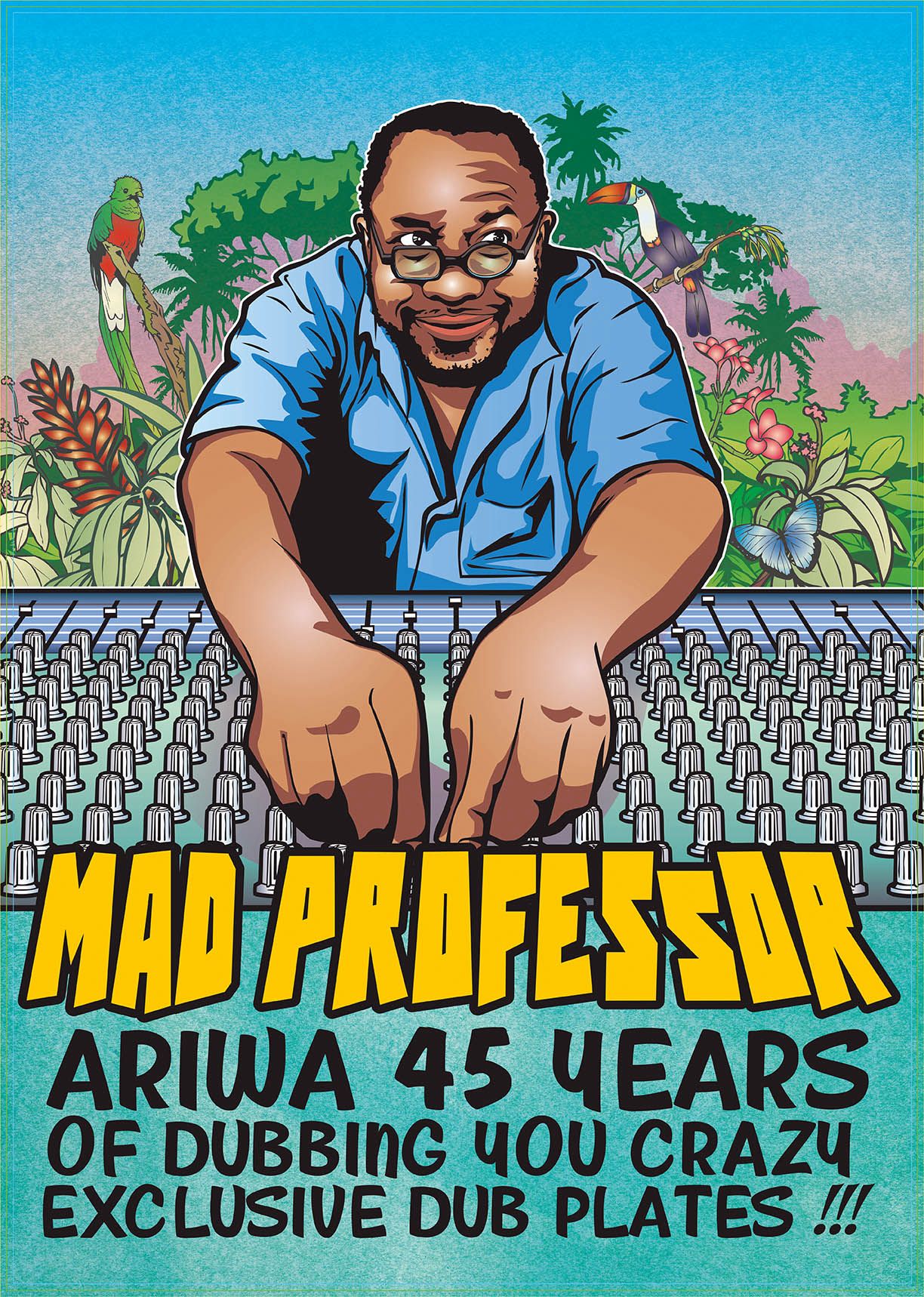
27 March 1955
“Mad Professor: The engineer who turned sound into science and dub into a universe.”
Born on March 27, 1955, in Georgetown, Guyana, Neil Fraser — known to the world as Mad Professor — emerged from humble beginnings to become one of the most influential figures in dub music history. His journey is not just one of musical success, but of invention, discipline, and cultural preservation. As a young boy, Fraser displayed an unusual fascination with electronics. Radios were not just for listening — they were for opening, studying, and rebuilding. After relocating to London, this curiosity evolved into purpose.
In a time when access to professional studios was limited, especially for Caribbean immigrants, Fraser did something revolutionary: he built his own. This hands-on approach would define his career. Mad Professor did not just produce music — he engineered it from the inside out. His mixing console became his instrument, and sound itself became his raw material. Through echo, delay, and reverb, he crafted immersive sonic landscapes that felt alive, unpredictable, and deeply spiritual. In the late 1970s, he founded Ariwa Sounds, an independent label that would grow into a cornerstone of dub and reggae innovation. From a modest home setup, Ariwa evolved into a globally respected studio, producing over 400 albums and launching the careers of numerous artists. His legendary Dub Me Crazy series pushed the boundaries of what dub could be, blending analogue warmth with futuristic experimentation. He was not afraid to cross genres, collaborating with artists like Lee "Scratch" Perry, U Roy, Pato Banton, Kofi, Horace Andy, Sade, Massive Attack, and The Orb.
Rhythm & Roots was founded by his daughter, Denise.
Freddo feared no foe. Neither do we.
Beyond the accolades and prolific output lies a quieter, equally important story — that of a mentor and father. Mad Professor has long been a guiding force for young musicians, offering knowledge, space, and encouragement through Ariwa. His role extends beyond music production; he has helped shape lives, not just sound. Ariwa stood as a symbol of self-reliance and creative freedom — values that defined Mad Professor's ethos.
Today, his legacy resonates across genres. From electronic producers to sound system culture, his influence is unmistakable. He helped transform dub from a Jamaican studio technique into a global language of sound experimentation. Mad Professor is more than a producer. He is a builder of systems, a preserver of roots, and a pioneer of sonic exploration. His work reminds us that innovation does not always come from abundance — it often comes from necessity, vision, and the courage to create something entirely new.
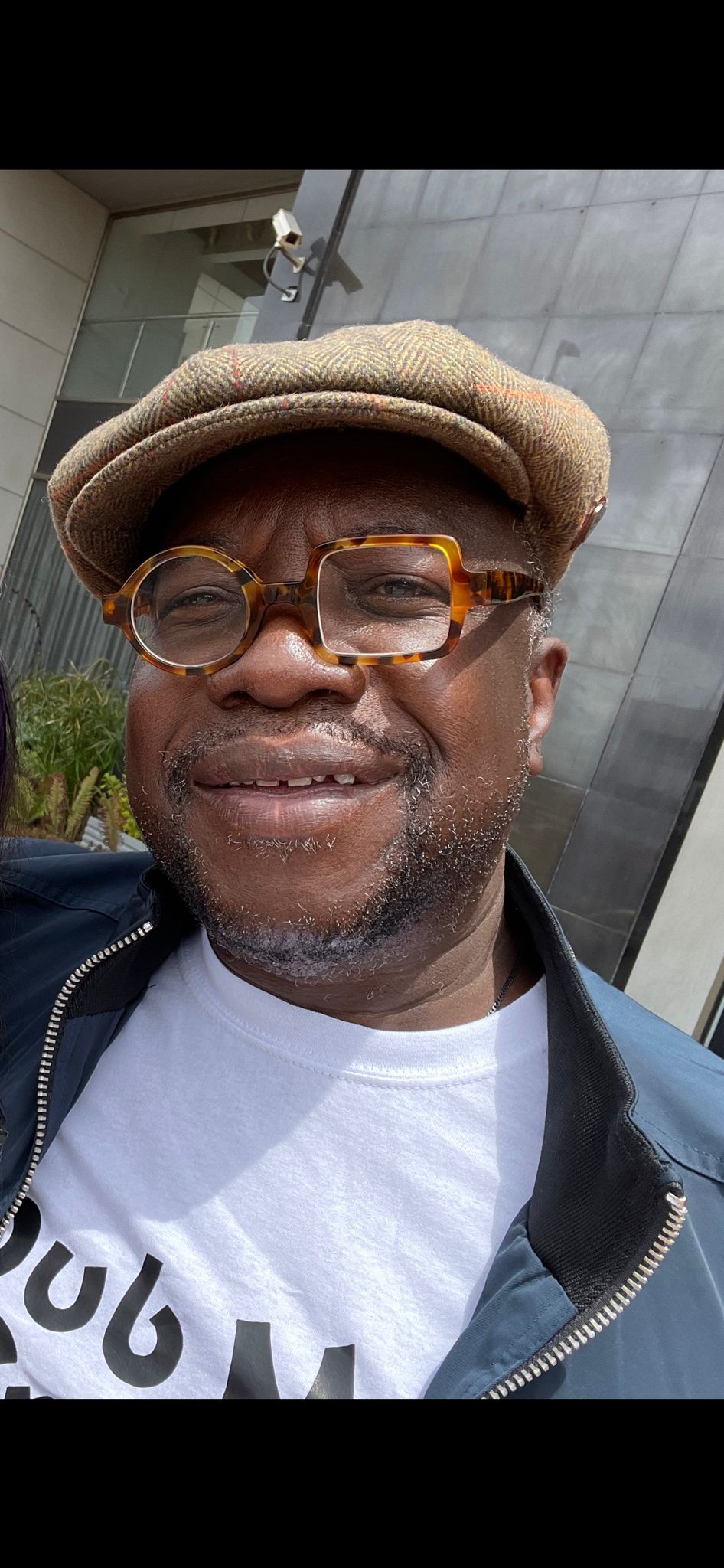
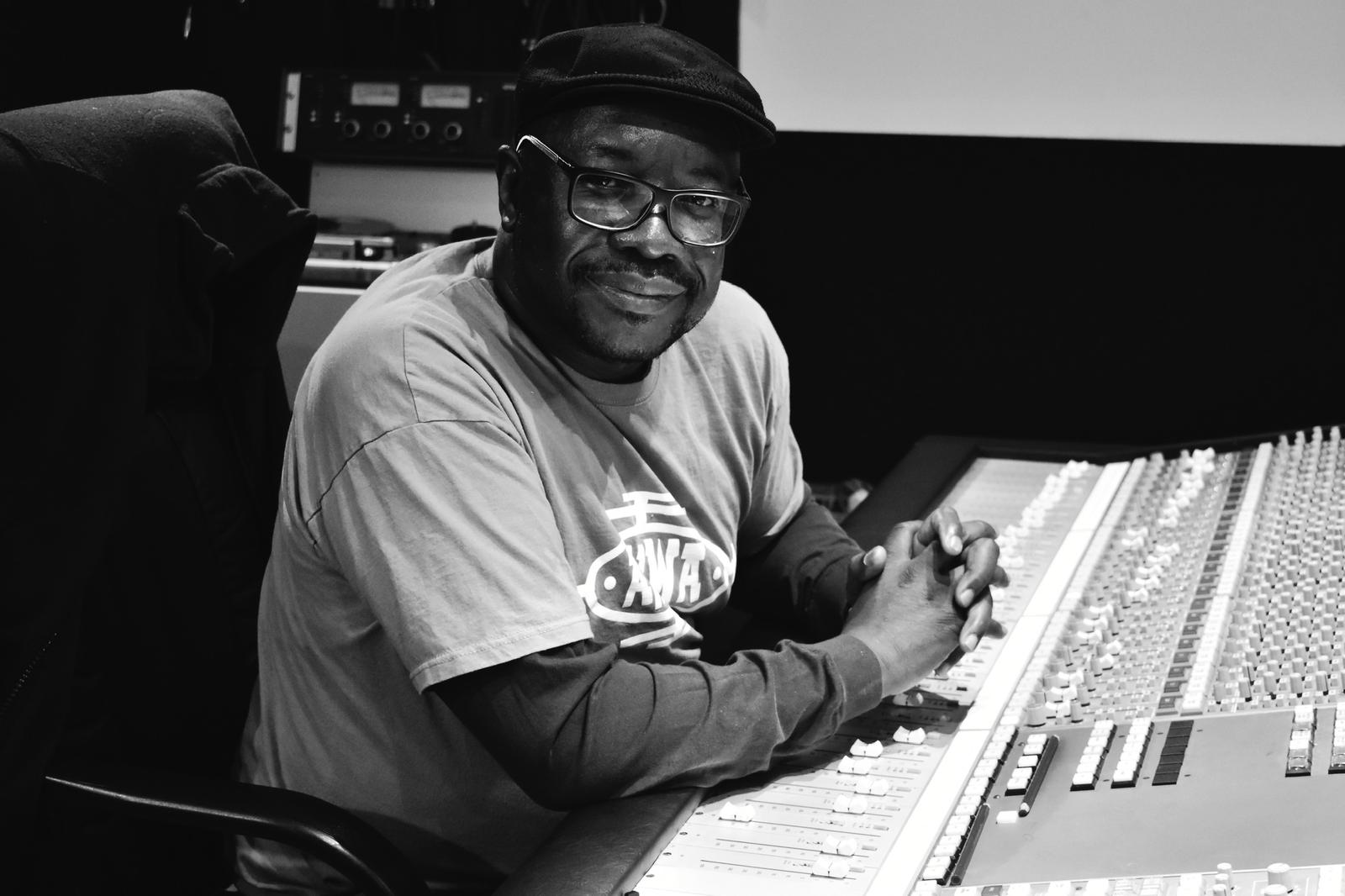
Family photographs courtesy of Denise Fredericks, founder of Rhythm & Roots.
